An In-Depth Exploration of Norman Rockwell’s Timeless Artistry
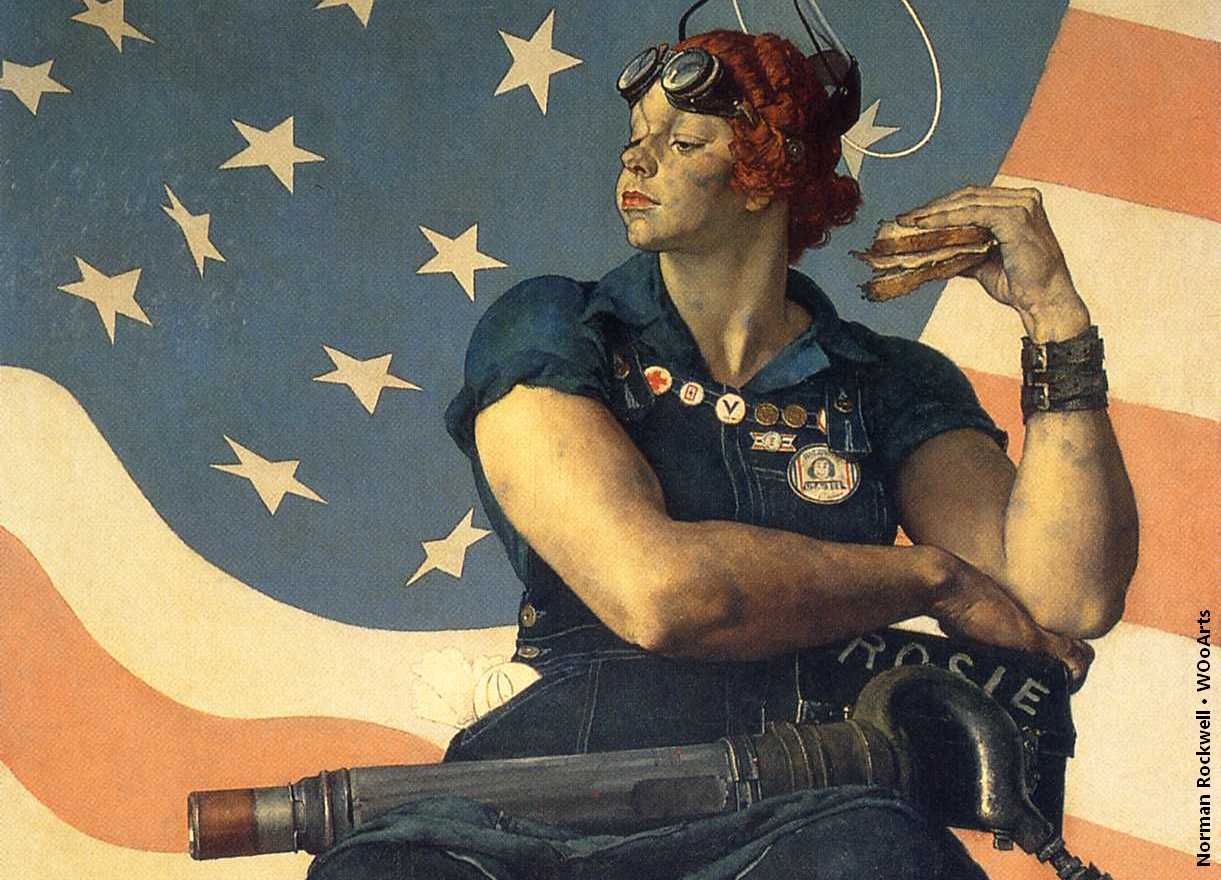
- Meticulous Realism: Rockwell’s commitment to realistic portrayal is evident in the intricate details of his paintings.
- Compelling Storytelling: His ability to convey narratives through imagery sets him apart as a true visual storyteller.
- Masterful Composition: The thoughtful arrangement of elements within each painting guides the viewer’s gaze and enhances the overall visual experience.
- Expressive Characters: Rockwell’s characters are more than subjects—they are richly expressive storytellers that connect with viewers emotionally.
- Symbolism and Social Commentary: The layers of symbolism and cultural commentary in his work provide a nuanced perspective on various aspects of American life.
- Timeless Color Palette: The warm, earthy tones contribute to the timeless quality of Rockwell’s paintings, creating a sense of nostalgia and comfort.
Norman Rockwell’s art style transcends mere representation; it is a testament to the enduring power of storytelling through visual imagery. His ability to capture the essence of American life with warmth, humor, and insight ensures that his work remains not only aesthetically pleasing but also culturally relevant across generations.
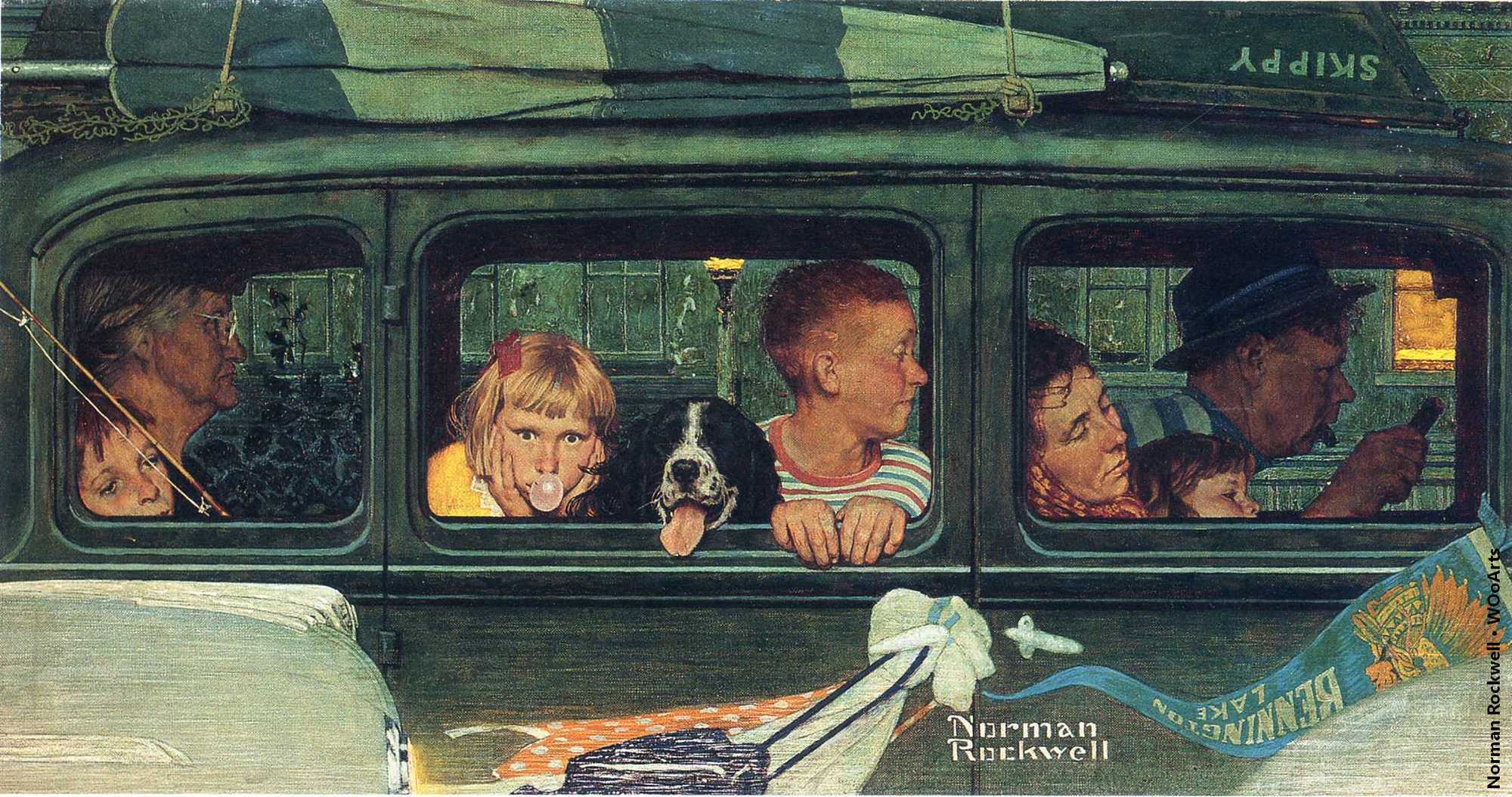
Norman Rockwell, an iconic American painter and illustrator, left an indelible mark on the art world with his distinct and timeless style. His ability to capture the essence of everyday life in mid-20th century America has made him a household name, and his works continue to resonate with audiences worldwide. In this critical analysis, we delve into the intricacies of Rockwell’s art style, examining the elements that make his paintings not only visually captivating but also culturally significant.
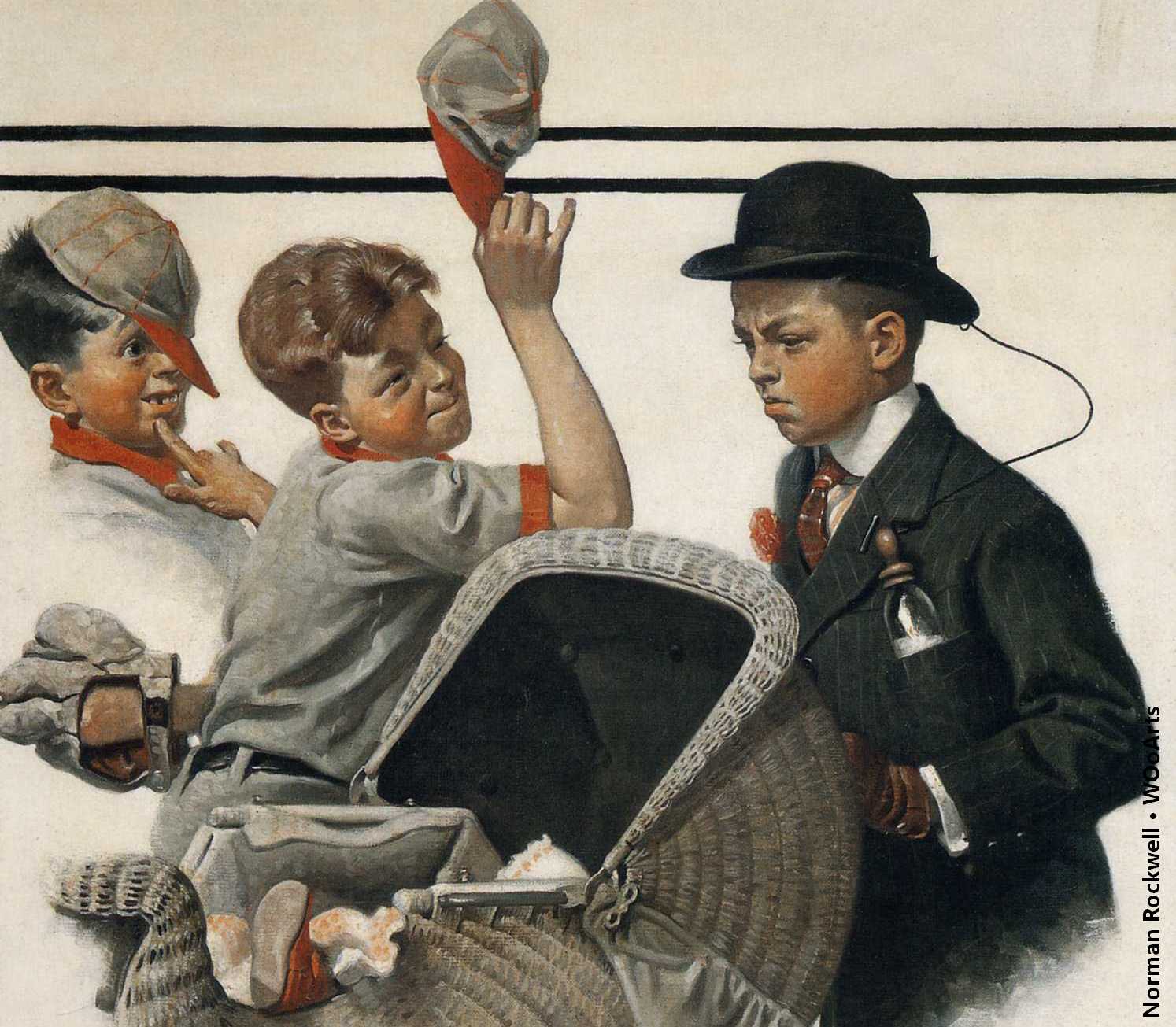
I. Realism and Storytelling: Rockwell’s commitment to realism is evident in every brushstroke. His attention to detail and meticulous rendering of scenes create a sense of familiarity, drawing viewers into the narratives of his paintings. The ability to tell a compelling story through imagery is a hallmark of Rockwell’s work, transcending mere illustration to become a form of visual storytelling.
II. Composition and Framing: One of Rockwell’s strengths lies in his masterful composition. Each element within a painting is carefully arranged to guide the viewer’s eye and convey the intended narrative. His use of framing, whether through doorways, windows, or other architectural elements, adds depth and perspective, enhancing the overall visual experience.
III. Characterization and Expressiveness: The characters in Rockwell’s paintings are not merely subjects; they are storytellers in their own right. His keen sense of character portrayal captures the nuances of human expression and emotion. From the twinkle in an eye to the subtlest facial expressions, Rockwell’s characters come to life, resonating with viewers on a personal and emotional level.
IV. Symbolism and Cultural Commentary: Rockwell’s paintings often carry layers of symbolism and cultural commentary. Whether addressing social issues, reflecting on the American dream, or portraying the simplicity of small-town life, his work serves as a mirror to society. Each painting becomes a snapshot of a particular moment in time, inviting viewers to reflect on the past while considering its relevance to the present.
V. Use of Color Palette: The carefully chosen color palette in Rockwell’s paintings contributes to their timeless quality. Warm, earthy tones dominate, creating a sense of nostalgia and comfort. The deliberate selection of colors adds to the overall mood and atmosphere, further immersing viewers in the scenes he depicts.
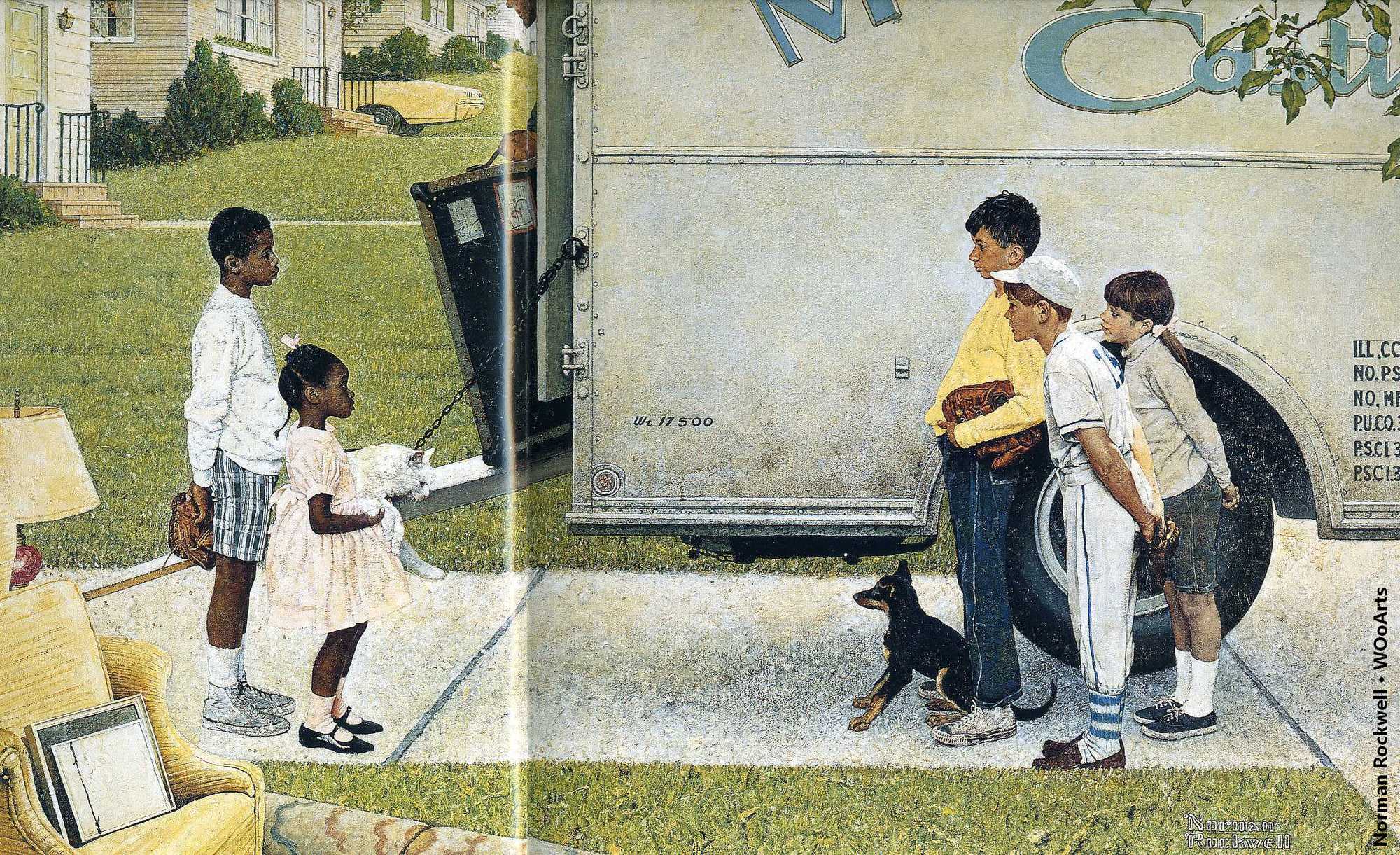
Norman Rockwell (Norman Percevel Rockwell February 3, 1894 – November 8, 1978) was an American author, painter and illustrator. His works have a broad popular appeal in the United States for their reflection of American culture.
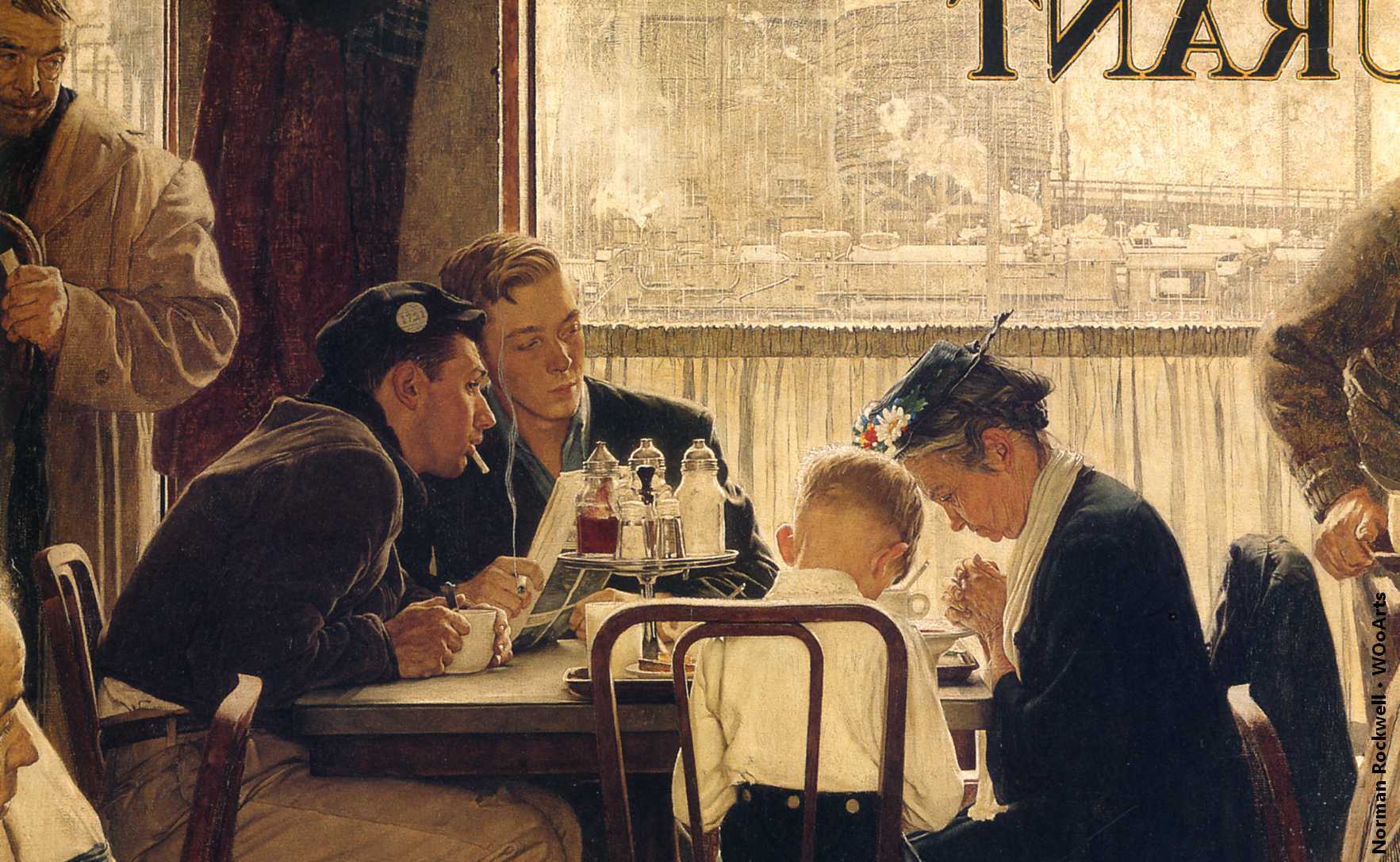
Rockwell is most famous for the cover illustrations of everyday life he created for The Saturday Evening Post magazine over nearly five decades. Among the best-known of Rockwell’s works are the Willie Gillis series, Rosie the Riveter, The Problem We All Live With, Saying Grace, and the Four Freedoms series.
He also is noted for his 64-year relationship with the Boy Scouts of America (BSA), during which he produced covers for their publication Boys’ Life, calendars, and other illustrations. These works include popular images that reflect the Scout Oath and Scout Law such as The Scoutmaster, A Scout is Reverent and A Guiding Hand, among many others.
View Norman Rockwell Paintings
Norman Rockwell was a prolific artist, producing more than 4,000 original works in his lifetime. Most of his works are either in public collections, or have been destroyed in fire or other misfortunes. Rockwell also was commissioned to illustrate more than 40 books, including Tom Sawyer and Huckleberry Finn as well as painting the portraits for Presidents Eisenhower, Kennedy, Johnson, and Nixon, as well as those of foreign figures, including Gamal Abdel Nasser and Jawaharlal Nehru. His portrait subjects included Judy Garland.
via Norman Rockwell on wikipedia