Pointillism Meets Sand, Gravel, and Catalan Light
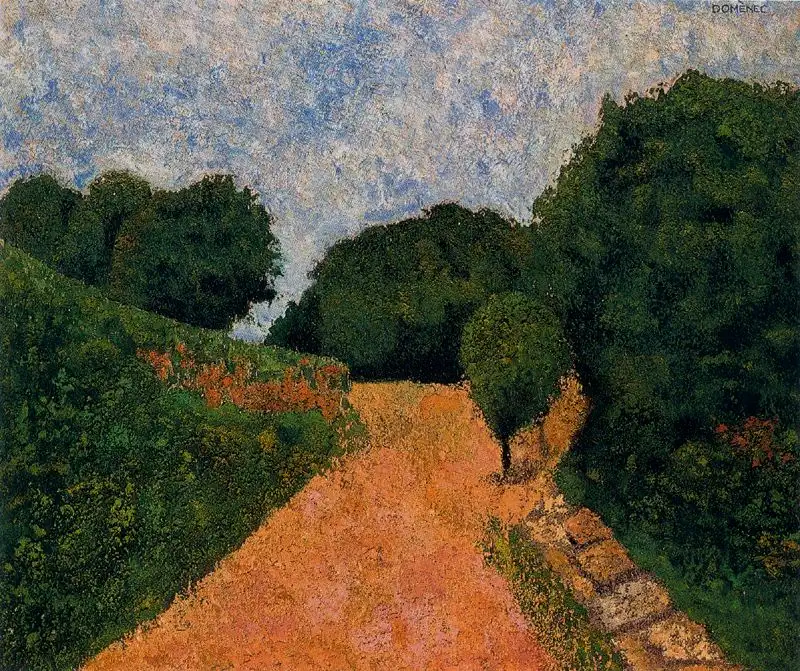
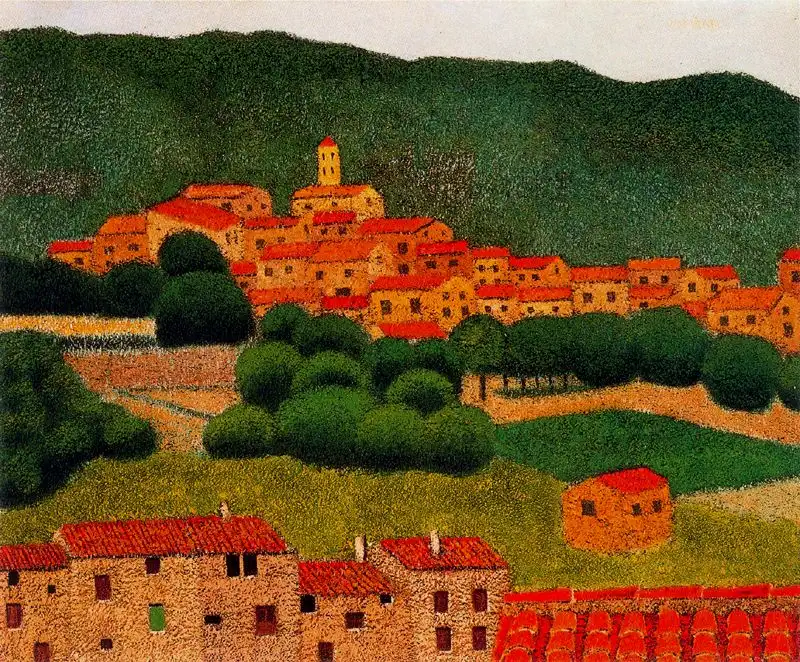
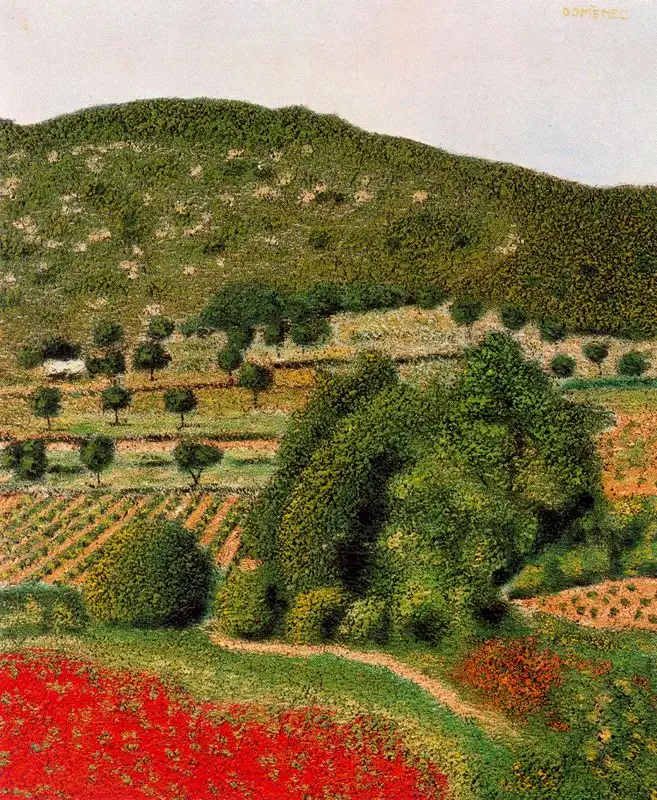
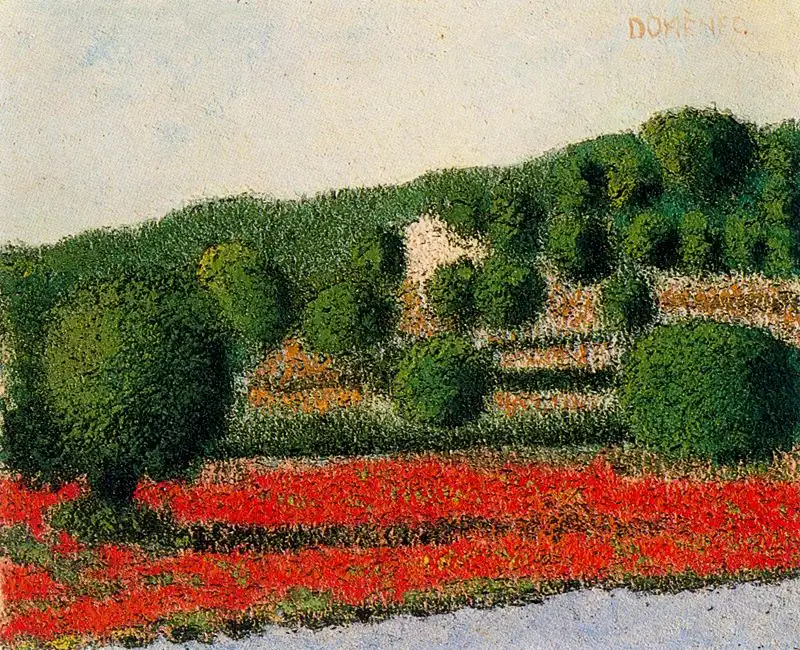
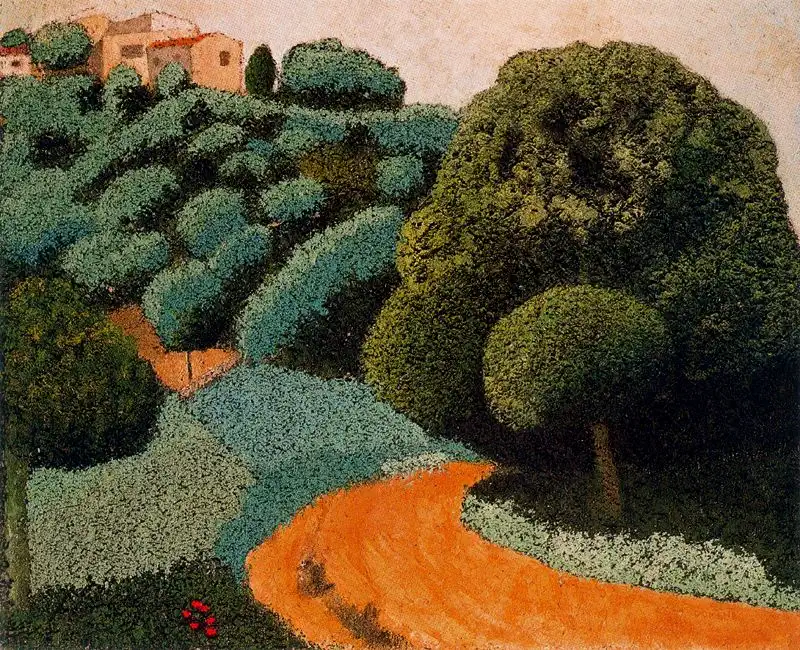
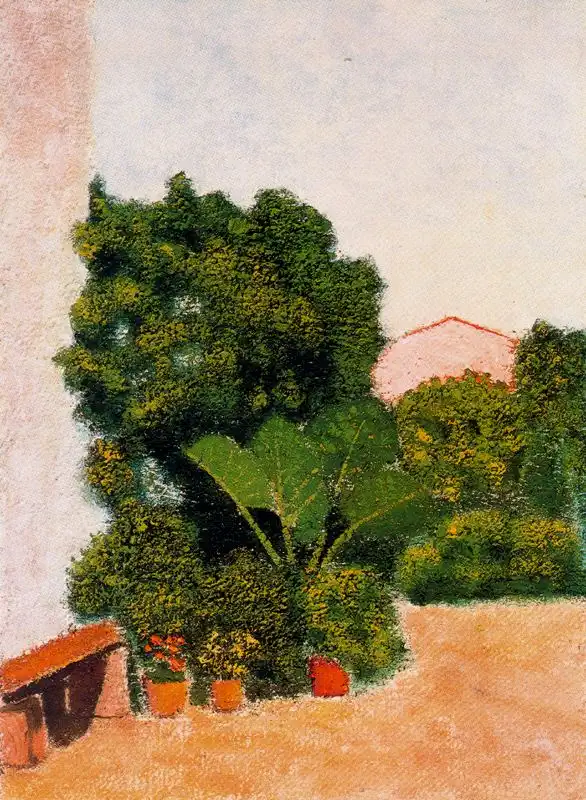
Domènech Pascual Badia, born in Mataró in 1929, painted Catalan landscapes built from dots and mixed materials.
Domènech Pascual Badia at a glance
- Born: 1929, Mataró, Catalonia
- Nationality: Spanish
- Lives and works in: Catalonia, Spain
- Medium: Oil and mixed technique with sand and dyed gravel
- Known for: Pointillist landscapes
- Education: Drawing and painting studies in Barcelona
- Notable project: Estris de Can Martinet (1978)
Early Life and Training
Badia was born in Mataró, a coastal town in Catalonia. He studied drawing and painting in Barcelona, where he later established himself as a landscape painter.
Detailed records of his teachers and schooling is scarce. Readers should treat claims about specific academies with caution until documented.
Technique and Key Work
Badia worked with pointillism, placing small dots of pure color that the eye blends at a distance. His landscapes use this method to show light and atmosphere rather than firm outlines.
His Estris de Can Martinet from 1978 combines paint with sand and dyed gravel adhered to canvas. The surface gains physical texture, and it’s own tactile presence beside its optical color.

Legacy and Recognition
A Drouot auction entry describes Badia as the greatest exponent of pointillism of his time. That claim comes from a dealer catalogue, so independent critical sources remain worth consulting.
Art is harmony.
Georges Seurat
Frequently Asked Questions
Where was Domènech Pascual Badia born?
He was born in 1929 in Mataró, Catalonia, according to auction catalogue records.
What is pointillism?
Pointillism applies small dots of pure color that blend optically when viewed from a distance.
Where did Badia study?
He studied drawing and painting in Barcelona. Specific school names are not confirmed in available records.
What materials did Badia use?
He combined oil paint with sand and dyed gravel on some canvases, as seen in Estris de Can Martinet.
What subjects did Badia paint?
He focused on landscapes, using them to study light and atmosphere through color.